


In most cases, upgrading and renovating your home increases its value. Homeowners often view renovations as an investment and look forward to recouping their money when they sell their house. Unfortunately, though, some projects can actually hurt your property’s value or turn buyers away.
Here are 10 renovations that have the potential to harm rather than help your home’s value:
1. Over-Personalization
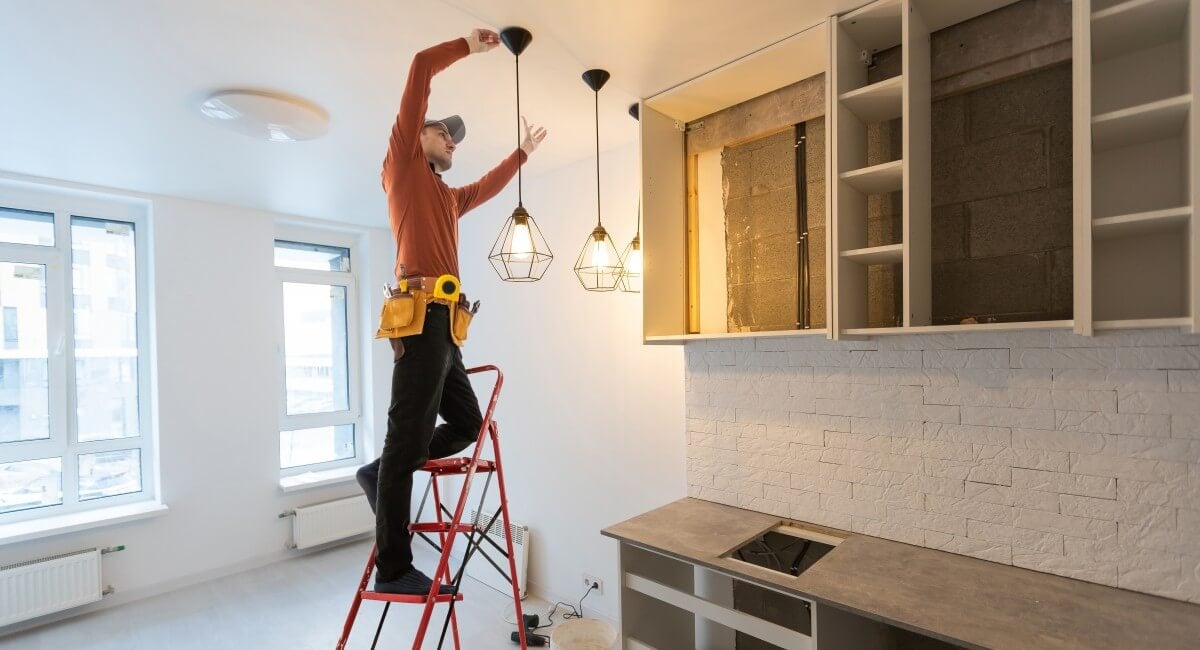
Customization can be a great way to enjoy your home and make it your own while you live there. Bold paint or wallpaper, unique lighting fixtures, built-in shelves, and other personal touches might be the perfect reflection of your style and needs, but that doesn’t mean the next homeowner will feel the same.
If you’re planning to sell your home soon, stay away from overly personalized finishes. Even if a prospective buyer could easily reverse the design choices, they may get a bad first impression if they see too much personalization.
2. High-End Landscaping
Curb appeal is key for making a good impression and generating interest among home buyers. However, potential buyers also realize that they’ll have to maintain the landscaping if they purchase the property.
Expensive or unusual landscaping features, like a koi pond, fountain, or greenhouse, can hurt your home’s value. Most of these projects require a lot of money and effort to maintain. If a buyer isn’t interested in keeping the feature, they’ll have to pay to remove or replace it. Instead of investing in upscale landscaping, stick to a simple, clean, and easy-to-maintain plan.
3. Bedroom to Closet Renovations
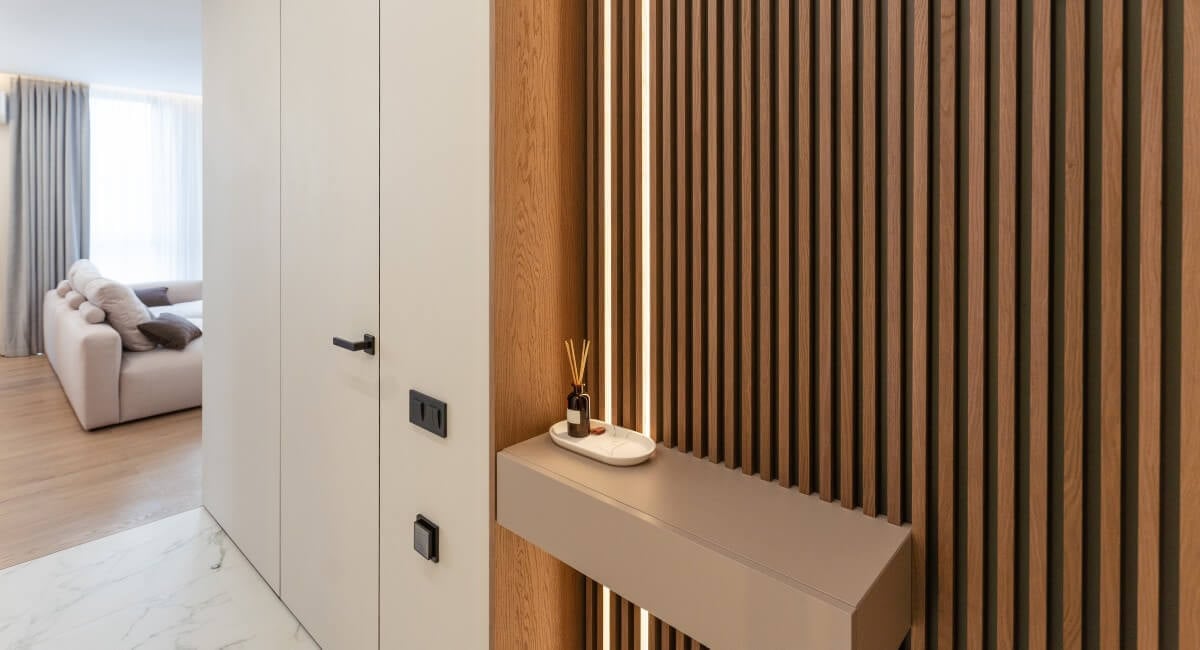
You might be tempted to convert a bedroom into a walk-in closet if your home has more bedrooms than you need. Although this could be the perfect way to customize your house for your own family, it can backfire when it’s time to sell the property.
Generally, more bedrooms means a higher listing price and a higher appraisal for your home. Removing a bedroom can directly hurt your house’s value. It can also reduce your pool of prospective buyers.
This issue can also come into play if you knock down a wall to convert two smaller bedrooms into one larger one. Most buyers would prefer two smaller rooms because it gives them more flexibility in using the space.
4. Removing Closets
Just like converting a bedroom to a closet can hurt your home’s value, converting an existing closet can have a negative return on investment. In most cases, if your house has a conventional floor plan, keeping it as-is is the best thing you can do to retain value.
Closets and other storage spaces are highly valued by home buyers. Converting a large closet to an office might be appropriate for your own needs, but it may not be well-received when you put your home on the market.
You should also avoid knocking down the closet wall to make a larger bedroom. Most buyers would prefer a smaller bedroom with closet space than a large room with no closet.
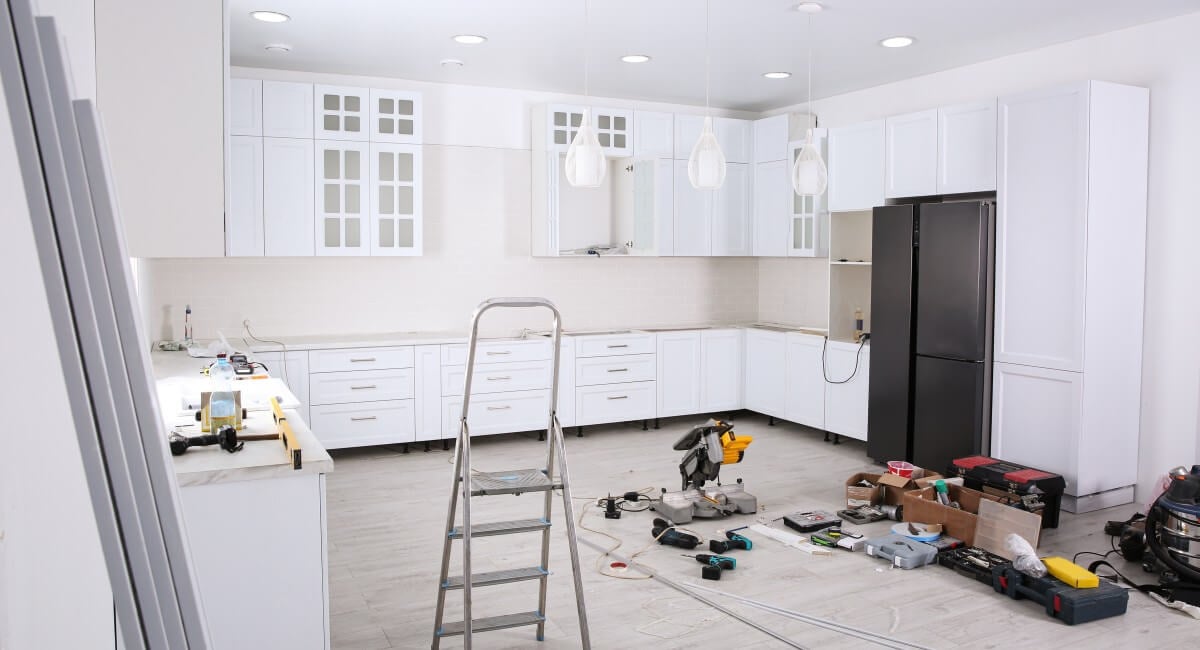
5. White Kitchens and Bathrooms
All-white kitchens and bathrooms were a hugely popular trend a few years ago, but the fad is already starting to fade. Too much white can make the room feel harsh, cold, and sterile. They can also be nearly impossible to keep looking clean.
Instead, use a mix of colors and textures to create more warmth and depth in the kitchen and bathroom. Light grays and warm neutrals can both be great options for a timeless color palette.
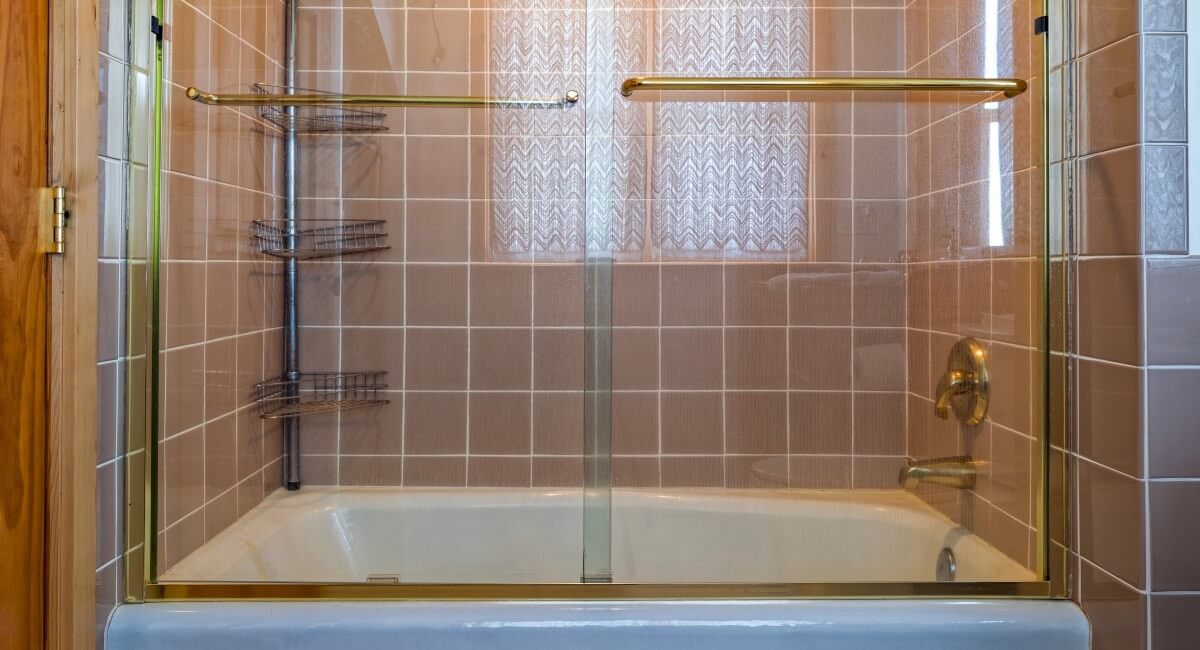
6. Bathtub to Shower Conversions
Bathtubs and walk-in showers both have value to different home buyers. Families with young kids will almost always opt for a bathtub, but seniors find walk-in showers to be much safer and more comfortable.
If you own a single-floor house that would be perfect for aging in place, you could convert the tub to a shower and market your home to older adults. If your home and neighborhood is better suited to families, though, the shower conversion could hurt the property’s value.
7. Wall-to-Wall Carpeting
Wall-to-wall carpeting used to be a popular preference for home buyers, but today, it’s falling out of favor. Carpeting gets dirty easily and can retain smells from pets, smoking, or spills. Most buyers prefer hard floors, especially in living rooms and other high-traffic spaces.
Brand new wall-to-wall carpeting won’t hurt your home’s value, but it also won’t offer a strong return on investment. If you’re planning to invest in the floors, installing vinyl or laminate flooring may be a better use of your money.
8. Garage Conversions
You might find that your garage is better used as an office, gym, or in-law suite than as storage for your car. However, in most areas, the majority of buyers would prefer a garage over additional living space.
Houses sell successfully when they align with the surrounding homes. If every house in your neighborhood has a garage, you should keep your garage as-is. If you live in a city with limited parking, your garage could also be a huge selling point.
You almost certainly won’t recoup your money if you invest in a permanent garage conversion. Instead, consider making simple and temporary changes to the garage so that it meets your needs now but can easily be reverted back to its original purpose when it’s time for you to sell the house.
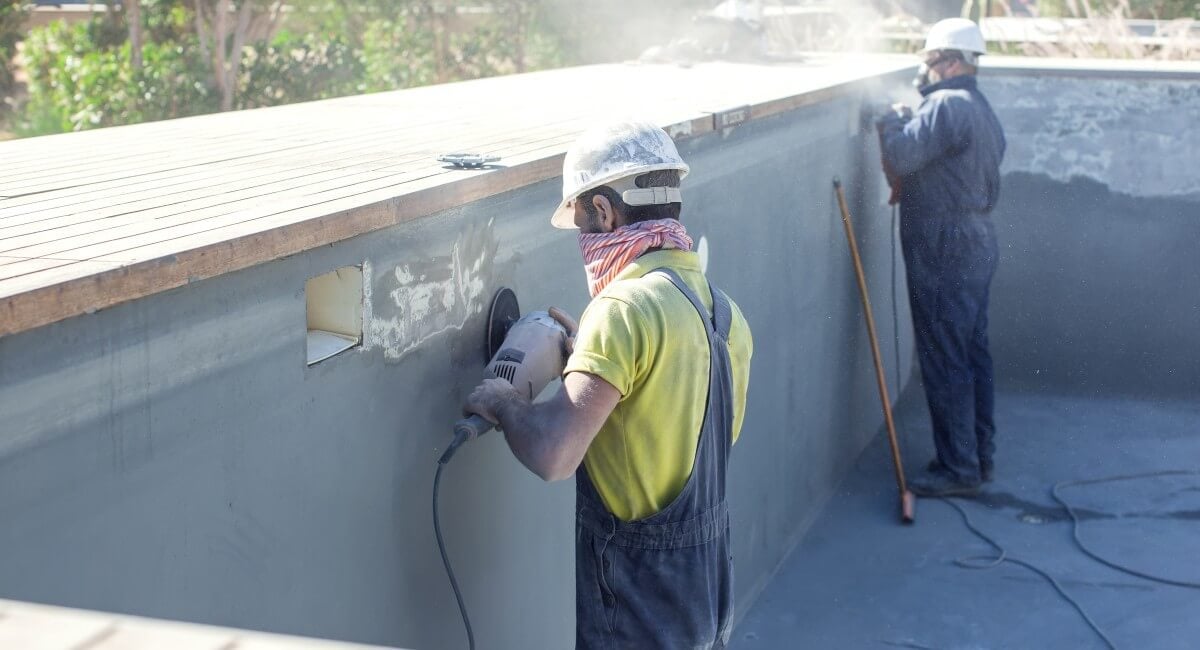
9. Swimming Pool
Depending on your location, swimming pools can either help or hurt your home’s value. If most houses in your area have a pool, installing one can offer a strong return on investment. If pools aren’t popular in your area, the project can become a burden.
Swimming pools require a lot of upkeep, increase home insurance rates, and are expensive to remove. Buyers who don’t want a pool will not even attend a showing for a house with a pool. Unless pools are the norm in your neighborhood, installing one could turn away the majority of prospective buyers.
10. Trendy Finishes
Trendy light fixtures, cabinet hardware, and other touches may suit your preferences right now, but they won’t help your home’s value in the long run. Although the finishing touches on your house can be easy to change, they make a strong impression on buyers. If potential buyers see finishes that feel outdated or ill-fitting, they may pass negative judgment on the house as a whole.
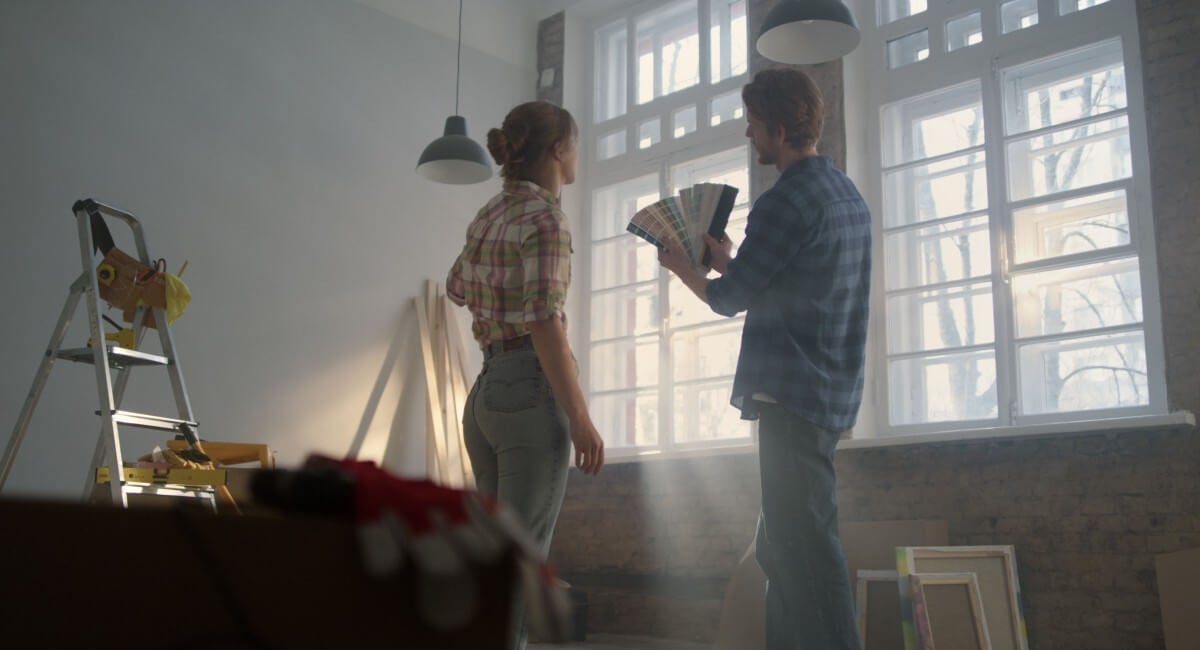
Choosing the Right Renovations
Not all renovations offer an equal return on investment. Some upgrades will pay off when you sell your house, but some can hurt your home’s value. It can be difficult to decide which renovations are worth pursuing.
You deserve to live in a home that suits your own needs. If you have no plans to sell your house in the near future, you should go ahead with the upgrades that will make your living space feel more functional and enjoyable.
However, if you expect to sell the house in the next few years, you should be mindful of how renovations will impact its value. Some are simply not worth the cost, so you should stick to timeless upgrades that will appeal to a wide pool of buyers. Consult with a trusted real estate agent if you’re not sure whether your renovation plans will help or hurt your house’s value.